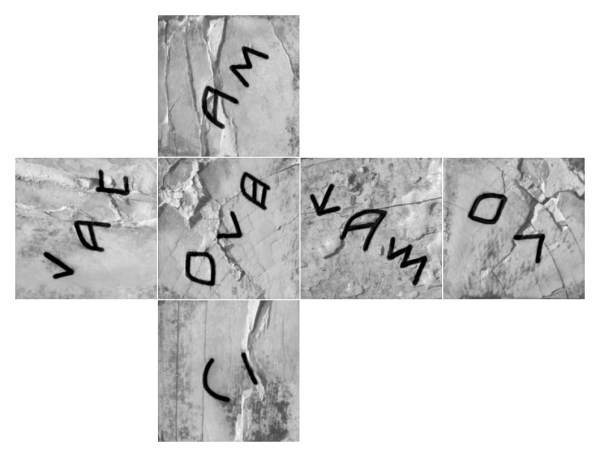
I'm very excited to be able to flag the publication of Oscan inscriptions (this does not happen every day, or even every year). In 2024, there was big new find of five new inscriptions in the Greek alphabet at the Rossano di Vaglio sanctuary in Basilicata. Considering the site only has about sixty inscriptions total,... Continue Reading →
Philip Leverhulme Prize
I'm very honoured to have been named among the winners of the Philip Leverhulme Prize for Classics this year. Not only am I in amazing company on a list of great Classicists in the UK, but I am extremely excited to kick-start a new project using the money awarded by the Leverhulme Trust. From 2025,... Continue Reading →
Adventures to Etruscan ports
This summer, I was finally able to return to Italy for the first time since 2019. It was, of course, fantastic to be back and soaking up the atmosphere again. It was also the last funded research trip of my AHRC fellowship, and I wanted to make the most of it by visiting some lesser-known... Continue Reading →
The trouble with nominatives
Quite early on in the writing of my book, Italy Before Rome: A Sourcebook (which now has a cover image!), I decided that I wanted to avoid Romanising or Hellenising the names of people, places and gods if I could help it. This seemed like a simple enough decision – if someone called himself Lúvkis... Continue Reading →
Etruscan Athens
The last two months have been incredibly busy as I scrambled to get the Italy Before Rome manuscript in before the deadline of 31st March (remind me in future not to set deadlines at the end of term). It feels great to have the manuscript finished and off my desk, at least for a little... Continue Reading →
The mystery of Etruscan 4 and 6
This week is all about numbers (specifically the number 270). As we all sit here waiting for the counting to happen, I thought I'd share one of the most intriguing little pieces of detective work in Etruscan studies: the number system. As we've discussed before, it's not difficult to read Etruscan - we know what... Continue Reading →
Fake or fortune?
Last week, as I was writing a chapter on alphabets and writing in ancient Italy, I asked the people of Twitter whether they thought the Praenestine fibula was fake or real. The results were intriguing (although most people, understandably, hadn't heard of it). https://twitter.com/Katherine_McDon/status/1310874027901284352?s=20 Most of the people who had heard of it thought that... Continue Reading →
A trip to Italy
As part of my AHRC Early Career Leadership Fellowship, I am lucky enough to have funding for several research trips to Italy. The first major trip, in April this year, took in a huge number of sites and museums - I really wanted to get a feel for parts of Tuscany and Umbria which I'd... Continue Reading →
Etruscan/Latin bilingualism and class
This term, I'm working on the translations for my Italy Before Rome sourcebook. (Among other things, I've learned very swiftly that I am not capable of translating more than one language in the same day, so I have to block out each day for different things.) The result of reading these texts so closely is... Continue Reading →
From the blogosphere: Bottoms and wombs
The ancient blogosphere has been alive with excellent blog posts this week (is it an end-of-term thing? Must be). Two posts particularly caught my eye for their new perspective on well-known ancient objects. In her post 'A Reversed Perspective: Looking at Greek and Roman Art from Behind(s)', Sarah Bond presents a round-up of some of... Continue Reading →