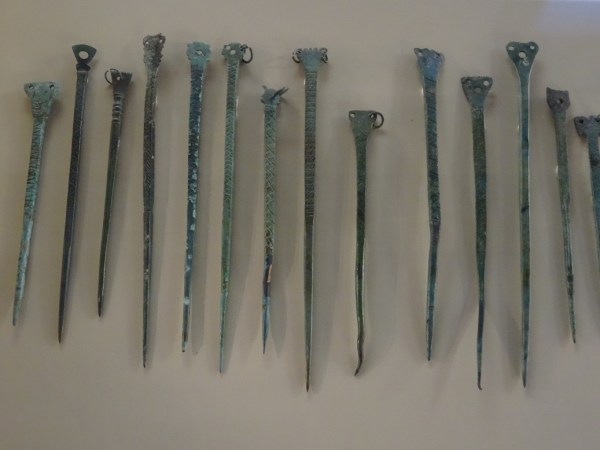
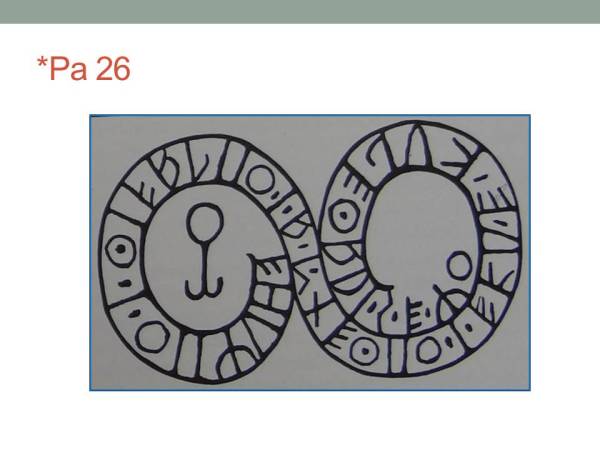
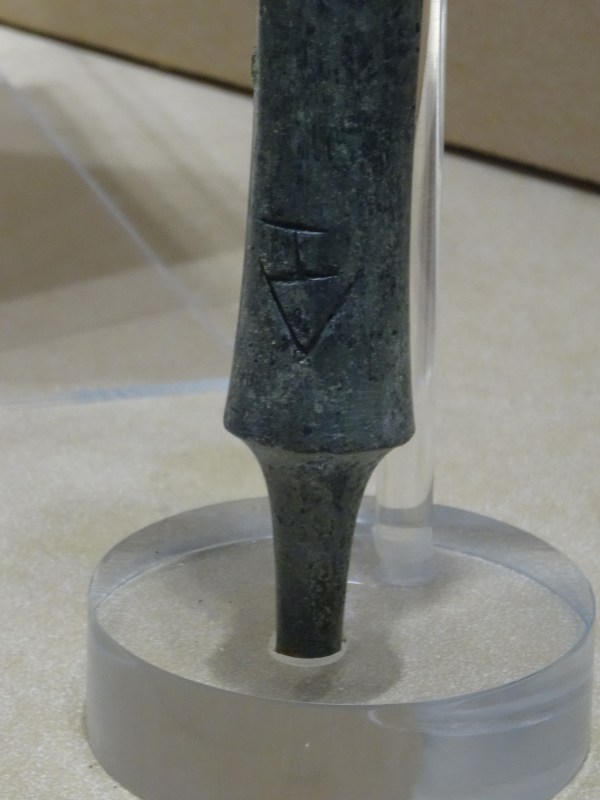
Yesterday we had the first of two introductory seminars on Venetic. The high point was, of course, the excellent cake by Anna Judson, shown here with Anna holding it up next to a picture of the inscription itself for comparison. As you can see, it was both tasty and highly accurate! Epigraphy-themed cakes have become... Continue Reading →
Blog
The CREWS project
Everyone interested in ancient languages and scripts should follow the CREWS project blog. CREWS (which stands for Contexts of and Relations between Early Writing Systems) is a major new ERC-funded project hosted at the Faculty of Classics, Cambridge, run by my excellent colleague Pippa Steele. To quote from her introduction to the project: The aim of... Continue Reading →
The demos of Roccagloriosa
Today's inscription is a fantastic example of linguists getting a huge amount of information about ancient societies out of very short texts. How short? Well, about two letters actually. Buxentum 2 (c. 300 BC) reads <ΔΗ>, or <DE> to transcribe it into the Roman alphabet. The two letters are joined by one of their lines, to make... Continue Reading →
Talk: Becoming Roman at Este and Padua
Tomorrow I'll be speaking at the Cambridge Philological Society, 4pm in the Old Senior Combination room at Trinity College. Tea, coffee and cake is provided - all welcome! My title is Competition and Identity in Venetic Funerary Epigraphy: Becoming Roman at Este and Padua. I'm very excited about this talk, as I'll be dealing with a... Continue Reading →
The WCC Launch and an EpiDoc Workshop
It’s been a busy week for me this week, with two big events taking up all of my time. The first was the launch of the Women’s Classical Committee UK, and the second was a digital humanities workshop for training in EpiDoc XML mark-up and other digital methods. A week of contrasts, and lots of... Continue Reading →
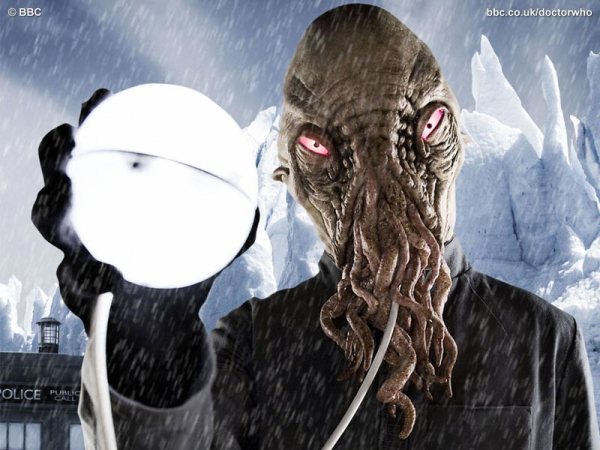
Seneca, Cicero and the Doctor
One of the odd things when you learn Latin is that you start to see it everywhere. It's so embedded into Western culture, that you need look no further than your own pocket to find some Latin (assuming you have a couple of coins in your pocket, that is). But what's even weirder is that... Continue Reading →
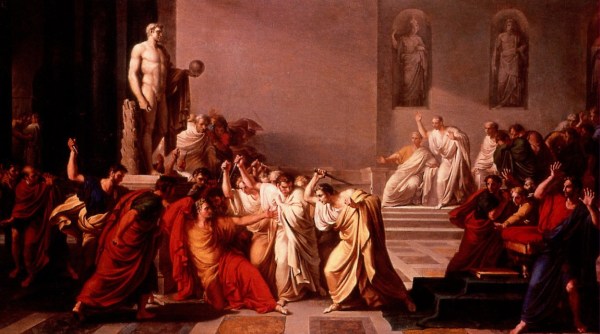
Reblogged: Why did Roman emperors get assassinated so often?
Because sometimes you ask the internet a question, and someone out there writes a whole post dedicated to answering it for you. This week, my excellent internet friend and fellow Early Career Researcher Emma Southon has posted a blog on why Roman emperors get assassinated so often compared to monarchs in other states. (Even if you definitely... Continue Reading →
Corfinium – Italia or Italica?
Over the Easter holidays, I've been reading Mary Beard's SPQR, which I highly recommend. I was particularly pleased that so much of it focusses on early Rome and its relationship with Italy - it was at least a third of the way through before we even got to Sulla. Mary, as usual, brings out all... Continue Reading →
Reblogged – What the digamma?
An excellently Classical post appeared on the Strong Language linguistics blog last week after someone found the phrase "what the digamma?" in a poem of 1881. I'll let you read Ben Zimmer's musings on whether this is a joke replacement of "what the dickens" or is meant as something closer to "WTF". The comments give... Continue Reading →
Rome, Tarquinia and Ceveteri
I've just got back from my RAC/TRAC 2016 trip, and I can't leave it too long before posting some pictures. The conference was absolutely excellent, and it was a joy to catch up with some old and new friends over at La Sapienza. Highlights of the conference for me included Maureen Carroll's paper on the votive... Continue Reading →