The last two months have been incredibly busy as I scrambled to get the Italy Before Rome manuscript in before the deadline of 31st March (remind me in future not to set deadlines at the end of term). It feels great to have the manuscript finished and off my desk, at least for a little... Continue Reading →
Blog
A new member of the team
This gloomy January has been considerably brightened by a new team member joining the 'Connectivity and competition' project. Dr Livia Tagliapietra, who previously worked at Jesus College, Cambridge, has joined the project as a Postdoctoral Research Associate, and will be conducting research on language contact in the Bay of Naples and other areas of Southern... Continue Reading →
The mystery of Etruscan 4 and 6
This week is all about numbers (specifically the number 270). As we all sit here waiting for the counting to happen, I thought I'd share one of the most intriguing little pieces of detective work in Etruscan studies: the number system. As we've discussed before, it's not difficult to read Etruscan - we know what... Continue Reading →
Fake or fortune?
Last week, as I was writing a chapter on alphabets and writing in ancient Italy, I asked the people of Twitter whether they thought the Praenestine fibula was fake or real. The results were intriguing (although most people, understandably, hadn't heard of it). https://twitter.com/Katherine_McDon/status/1310874027901284352?s=20 Most of the people who had heard of it thought that... Continue Reading →
I’m back – what a year!
Today is my first day back from maternity leave - and I think it's fair to say that this year hasn't gone at all how I'd expected! That is probably how most people feel about having a baby, but the added factor of the 2020 pandemic has made this a very strange year for many... Continue Reading →
New books on pre-Roman Italy you should read
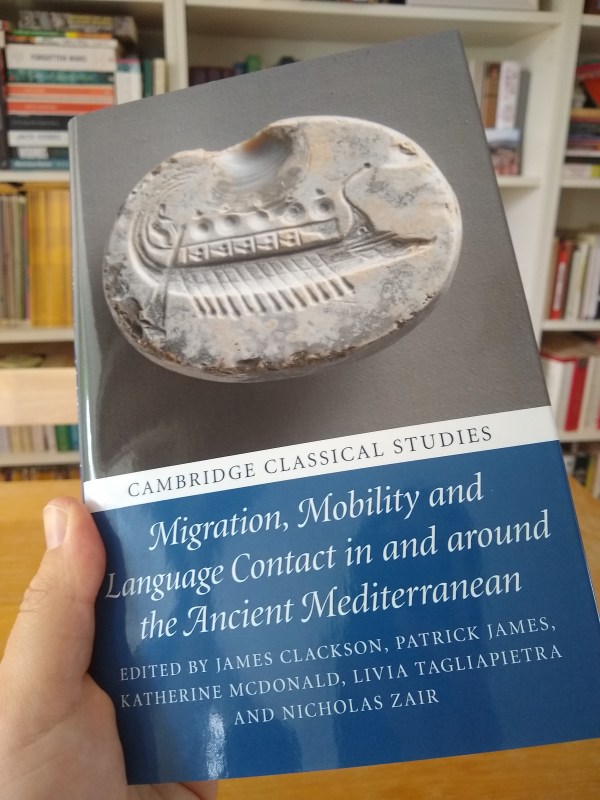
Over the last few years, the field has been hugely enriched by lots of innovative new books on pre-Roman Italy and its populations. Many of them have really committed to interdisciplinary methods, combining historical, archaeological and linguistic evidence - with great results. Even better, these books are perfect to set for undergraduate reading (if you... Continue Reading →
A trip to Italy
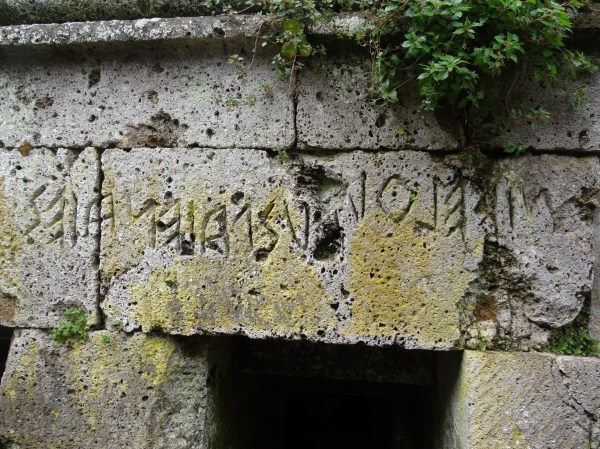
As part of my AHRC Early Career Leadership Fellowship, I am lucky enough to have funding for several research trips to Italy. The first major trip, in April this year, took in a huge number of sites and museums - I really wanted to get a feel for parts of Tuscany and Umbria which I'd... Continue Reading →
Digital and practical epigraphy
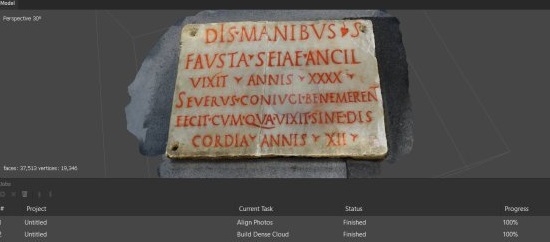
It's been an extremely busy April on the 'Connectivity and Competition' project. After an intense two-week research trip (blog post forthcoming), there was the Workshop on Digital and Practical Epigraphy at the ICS in London, co-led by Dr Gabriel Bodard, which took place from 29th April - 4th May 2019. The concept of the workshop... Continue Reading →
SALAVS – Learn Oscan online
A couple of days ago, Kristina Killgrove asked me a very intriguing question: where can you learn a bit of Oscan online? https://twitter.com/DrKillgrove/status/1105091790556811264 I had no answer to this, other than to say that Buck's Grammar of Oscan and Umbrian is old enough to exist in PDF form online. But as soon as I thought... Continue Reading →
Digital and practical epigraphy workshop
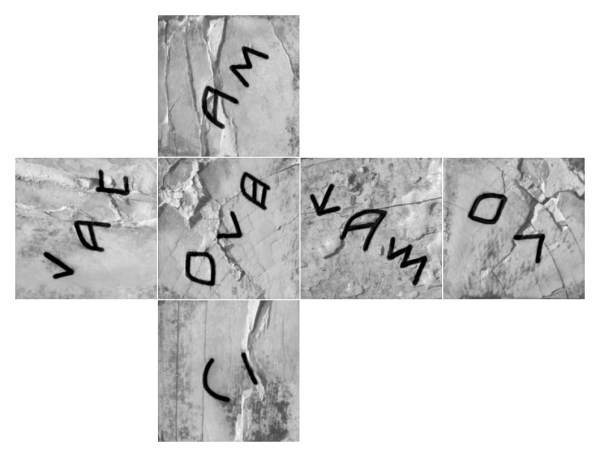
Now that we're well into 2019, some of the events connected to my AHRC fellowship are beginning to take shape. The first of these is the Workshop on Digital and Practical Epigraphy taking place 29th April - 4th May, and generously co-hosted by Gabriel Bodard and the ICS. The aim of this workshop is to... Continue Reading →