Anonymous sites of ancient Italy

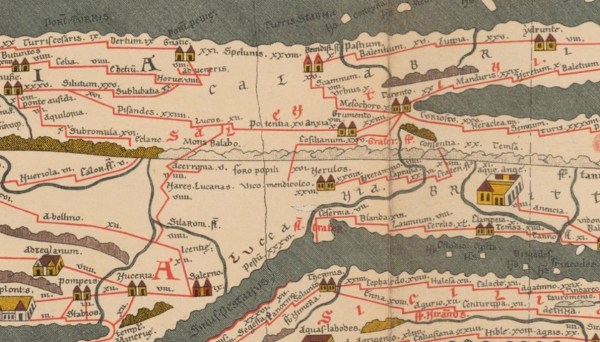
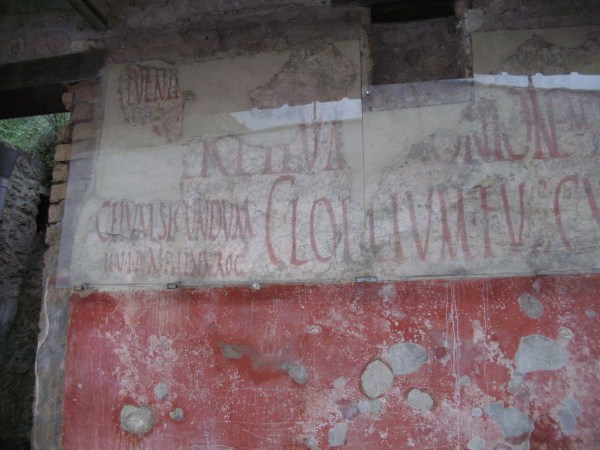
I've been writing about sanctuaries recently, and in this field it really stands out how few names of ancient sites we know for certain. Pietrabbondante, Rossano di Vaglio, Campo della Fiera, Grotta Poesia - all are known by Italian names because their ancient names are not known. The inscriptions found at the site do not... Continue Reading →

Reflections on 2025

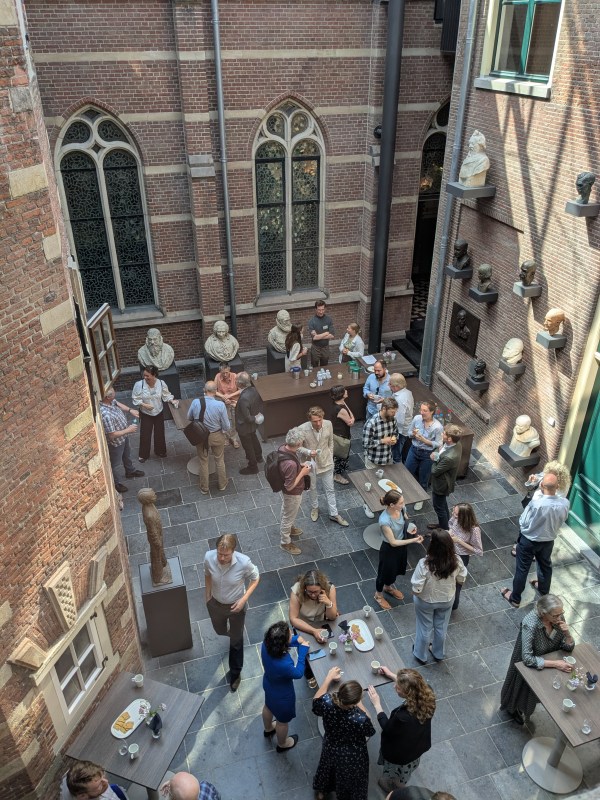
With the subtitle: two conferences, a fancy dinner, and three months of research leave (and counting). First, the conferences (the most interesting and fun bit). In June, I spent three days in Leiden for the Penn-Leiden colloquium. This was not just a wonderful conference on the theme 'the Value of Languages in the Ancient World',... Continue Reading →

Philip Leverhulme Prize

I'm very honoured to have been named among the winners of the Philip Leverhulme Prize for Classics this year. Not only am I in amazing company on a list of great Classicists in the UK, but I am extremely excited to kick-start a new project using the money awarded by the Leverhulme Trust. From 2025,... Continue Reading →

Adventures to Etruscan ports

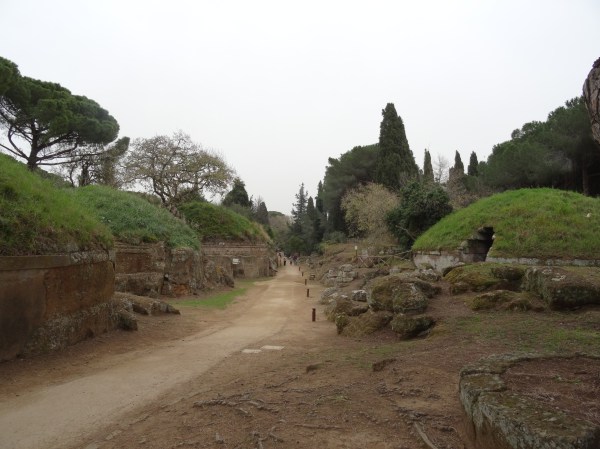
This summer, I was finally able to return to Italy for the first time since 2019. It was, of course, fantastic to be back and soaking up the atmosphere again. It was also the last funded research trip of my AHRC fellowship, and I wanted to make the most of it by visiting some lesser-known... Continue Reading →

Digital Italy Part 2

On Tuesday, we held the second half of the Digital Italy seminar. Like last time, I wanted to post a links round-up so that people can find these great projects and resources and see how they develop over the coming years. Luca Rigobianco (Venice) - Building a digital corpus and a computational lexicon of the... Continue Reading →

Digital Italy seminar

We are pleased to announce two seminars on the theme of ‘Digital Italy’, to be held online on Tuesday 7th September and Tuesday 14th September (afternoon only, UK time; exact times TBC). These seminars are being held as part of the events funded by the project 'Connectivity and Competition: Multilingualism in Ancient Italy 800-200 BC'... Continue Reading →

Casualisation and Classics

Back in March, I asked many of you to fill in a survey for my PCAP essay on casualisation and employment in Classics in the UK. I'm pleased to say that an expanded version of this report has been published by the Council of UK Classics Departments Bulletin. It can be found online here. Please feel... Continue Reading →

Create a website or blog at WordPress.com

Up ↑