Reblogged: Samnites in Pompeii

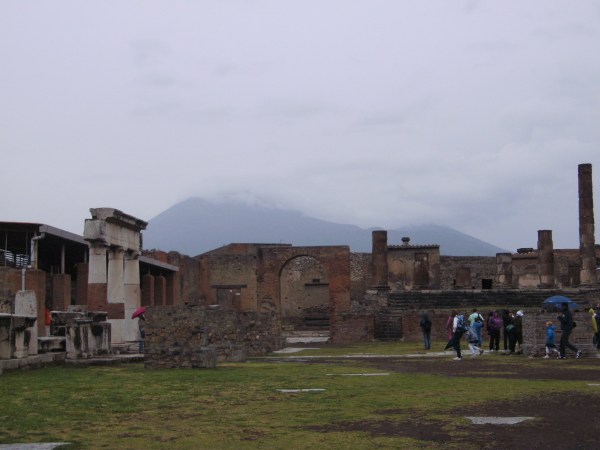
A great post here on the new Samnite grave in Pompeii by Virginia L. Campbell. She's also posted about the Oscan epigraphy of Pompeii here. A new discovery at Pompeii is always an exciting event, and even more so when it's from the 'Samnite' period of the town rather than its final destruction. I'm looking... Continue Reading →

Building a Corpus of Ancient Venetic

For the past few weeks I've been doing something which has been rewarding and frustrating in almost equal measure (in between some weekends visiting family in Sussex and Yorkshire, with some Roman sites and a grinning she-wolf thrown in): namely, building up a complete corpus of all the extant inscriptions in the ancient Venetic language.... Continue Reading →

Archiving the Cambridge Greek Play

The Cambridge Greek Play desperately needs a new website. Very soon, I'm pleased to say this website will become a reality, and I will certainly be plugging it and providing links when it launches. Fortunately, we are paying some highly talented and professional designers to construct the website itself, thanks to a donation reserved for... Continue Reading →

Why Do Greek Plays have Latin Titles?

One of the most famous Greek tragedies is called Oedipus Rex. Well, sort of. Its original Greek title is Oidípous Týrannos, but usually everyone calls it by its Latin name. Even the English title Oedipus the King is heard much more rarely. And it's not just this play that's the problem. Ancient Greek plays are... Continue Reading →

Umbrian in Tolstoy

My holiday reading this year was Tolstoy's Anna Karenina, which I had been meaning to read for a while. For the first three hundred pages, it was a total escape from work - but then what should pop up in Part III but a reference to Umbrian: Alexei Alexandrovich ordered tea to be served in... Continue Reading →

A Stone Talking to Itself

pis: tiú: íív: kúrú: púiiu: baíteís: aadiieís: ahfineís: Who are you? I am a stone. Whose? Baitis Aadiis Afinis's. (Oscan inscription on stone. Altilia, Italy. c. 150-90 BC. Imagines Italicae: Saepinum 2, Sabellische Texte: Sa 31) It's not often that I'm tempted to describe an inscription as "cute", but I've always found this short Oscan... Continue Reading →

Create a website or blog at WordPress.com

Up ↑